Rollout Inline Beginner → Advanced Trick Tiers
A practical difficulty ladder for dual-stick aggressive inline skills in Early Access.
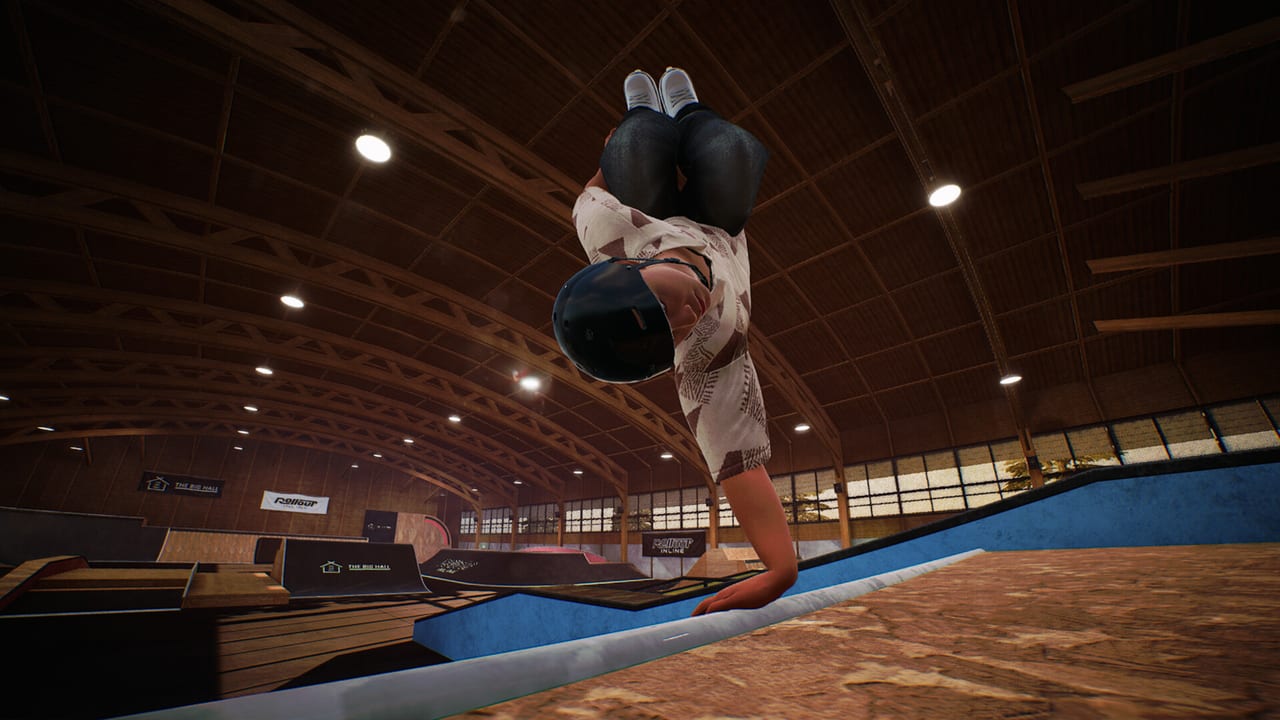
This tier list ranks Rollout Inline skills from first stable rides to advanced linked lines. It is written for the Steam Early Access move set: riding, dual-stick grinds, cess slides, free spinning and flipping, air grabs, toe/heel rolls, handplants, momentum-based movement, optional balancing, and challenge-driven practice on three maps. Use it with Controls and Tricks and Grinds—tiers tell you what order, those guides tell you how.
Return to the Tier List Hub if you need the philosophy behind the rankings.
S-tier prerequisites (actually Beginner essentials)
Call them Tier D / Beginner if you like letter grades—the label matters less than honesty:
- Confident left-stick steering on flat without panic corrections
- Controlled left-stick spins while rolling
- Right-stick jumps with rolled landings and leftover speed
- Straight-line speed management into a simple obstacle
Until these are boring, skip everything below the Intermediate grind section. Getting Started exists to install this foundation in your first hour.
Tier C — Beginner trick families
- Neutral dual-stick grind holds on short rails
- Clean grind exits to flat with no bonus spin
- Small hop-to-manual-feel recoveries using rolls only as needed
- Basic challenge objectives that ask for a single mechanic
Success criteria: eight out of ten short grinds land without ragdoll. Practice on the most readable rails you scouted in Maps Overview.
Tier B — Intermediate connectors
- Mid-grind stance shifts (change one foot/stick intentionally)
- Cess slide exits that leave you pointed at the next feature
- Cess slide entries into a forgiving rail or bank
- Air 180s / simple flips you can land consistently
- Single air grabs on modest gaps or hips
- Toe or heel rolls to save slightly crooked landings
Success criteria: you can connect grind → slide → roll without stopping to think about which stick is which. Intermediate skills unlock most mid-level map batches described in Challenges and Progression.
Tier A — Advanced singles
- Long-rail grind variations with intentional spin on entry or exit
- Grabbed rotations that stay on-axis over larger gaps
- Vert airs with speed retained for a second attempt
- Handplants without rotation on readable coping
- Pool lines that keep momentum through multiple transitions
- Optional balancing on while still hitting Intermediate connectors
Success criteria: failures become specific (“opened grab late”) instead of mysterious. Use the replay editor after every stubborn miss.
Tier S — Advanced links and pressure
- Handplants with rotation or immediate re-entry ambition
- Multi-obstacle sentences: grind → slide → gap grab → rail → roll
- High-difficulty challenge batches after several map level-ups
- Same line consistency—landing the sentence three times in a row
- Switching parks and reproducing the sentence on new geometry
This is where Early Access veterans live. It is also where ego ruins sessions: if your S-tier hit rate is below half, your real tier is A. Drop down, clean the weak link, climb again.
Mapping tiers to weekly practice
| Goal | Tier focus | Session idea |
|---|---|---|
| New player week 1 | Beginner essentials + Tier C | Flat riding, short rails, one easy batch |
| Comfortable grinder | Tier B | Slide exits, small grabbed airs |
| Vert curious | High B → A | Pump laps, plant without spin |
| Clip hunter | A → S | Replay editor, linked sentences |
Keep difficulty settings honest. Raising global difficulty or enabling balancing while still in Tier C creates fake advanced failures.
Controllers and FPS as hidden tiers
A mushy wireless pad or 40 FPS can make Tier B feel like Tier S. Before you rewrite your identity as a player, verify Controller Setup and System Requirements. Xbox pads are recommended; DualShock/DualSense over USB plus Steam Input fixes solve many “I swear I inputted the slide” moments.
Cosmetics do not change tiers
Clothing unlocks from progression and skates are always customizable—fun, expressive, useful for contrast in replays, irrelevant to difficulty math. See Character and Skates when you want style, not power.
Related reading
- Tricks and Grinds — drills for each family
- Controls — stick roles behind the ranks
- Maps Overview — where to train each tier
- Guides Hub — full tutorial index
- Game Overview — EA feature context
Revisit this page monthly during Early Access. When MLMEDIA adjusts physics or adds maps, your tier ceiling should move because you improved—not because you skipped the ladder.
Frequently Asked Questions
Quick answers for aggressive inline players.
What tier should a brand-new player start at?
Beginner essentials and Tier C only. Finish Getting Started before Intermediate connectors.
Are handplants intermediate or advanced?
Clean plants without rotation sit in advanced singles; rotated plants and re-entries belong in the top link tier.
How do I know I can move up a tier?
When you hit the current tier’s success criteria about eight times out of ten and failures look specific on replay.
Do challenges follow this tier list?
Not literally numbered, but harder map batches lean on higher-tier skills—plan with Challenges and Progression.
Where is the hub for these rankings?
The parent Tier List Hub explains methodology and weekly planning.